

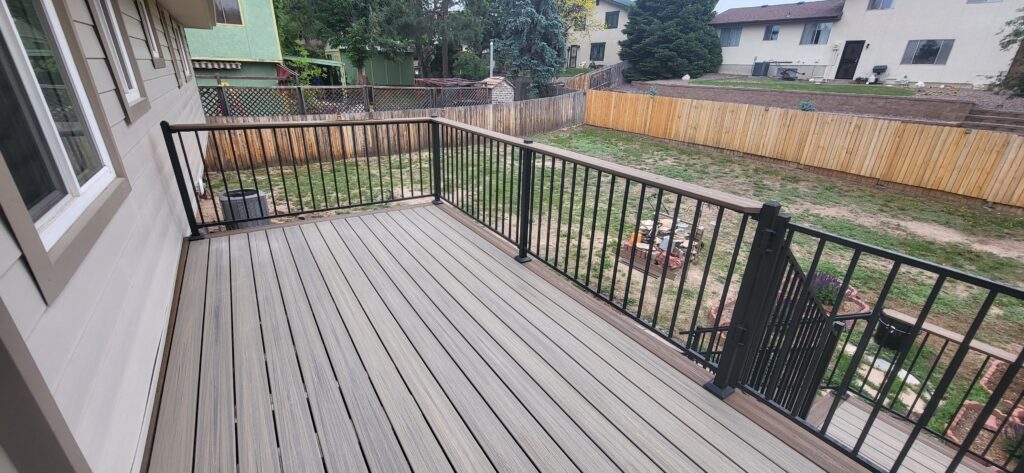
Your deck, siding, and exterior trim affect more than your home’s curb appeal. These materials help protect the structure from moisture, pests, sunlight, snow, wind, and changing temperatures.
In Colorado Springs, exterior materials are exposed to strong ultraviolet radiation, hail, dry air, snow, and repeated freeze-thaw cycles. Over time, this exposure can cause wood to crack, siding to loosen, and trim to deteriorate.
Build Craft LLC helps homeowners identify damage through professional exterior evaluations and repairs. Recognizing the warning signs early can help prevent small problems from spreading into surrounding materials.
Why Exterior Damage Should Not Be Ignored
Small exterior problems can become more extensive when homeowners wait too long to address them. A cracked deck board, loose siding panel, or rotted trim piece may expose materials that are normally protected from the weather.
Once an opening develops, moisture may reach sheathing, framing, insulation, fasteners, or nearby finishes. Pests may also use cracks and gaps as entry points.
Wind, rain, snow, hail, and sunlight can gradually make weak areas worse. Timely exterior home repairs can protect the structure behind the visible surface while preserving safety, appearance, and long-term property value.
Exterior damage should be inspected when you notice:
- Soft, cracked, or moving deck boards
- Loose railings or stairs
- Cracked, warped, or missing siding
- Water stains or dark exterior patches
- Peeling paint on exterior trim
- Soft or rotting wood
- Open joints around windows and doors
- Damage following wind or hail
Soft or Spongy Deck Boards
Deck boards should feel firm and stable when you walk across them. A board that feels soft, weak, spongy, or unusually springy may have been damaged by moisture.
Aging materials, poor drainage, trapped leaves, snow accumulation, and repeated snowmelt can all contribute to deterioration. In some cases, the visible board is not the only affected component. Hidden rot may also be present in joists, beams, posts, or other framing beneath the surface.
Soft boards should be evaluated before they become a safety concern. A contractor can determine whether the damage is limited to one board or extends into the supporting structure.
Possible signs of moisture-damaged decking include:
- Boards that flex under normal weight
- Soft spots near fasteners
- Dark or discolored wood
- Visible fungal growth
- Wood that flakes or breaks apart easily
- Areas where water regularly collects
- Musty odors beneath the deck
Build Craft provides deck and outdoor living services for Colorado Springs homeowners who need repairs, improvements, or a larger deck update.
Loose Railings, Stairs, or Deck Fasteners
Railings, stairways, and deck connections support weight every time someone uses the space. Wobbly railings, loose stair treads, rusted hardware, or missing fasteners can indicate structural wear.
These problems can create safety risks, especially on elevated decks. They should be inspected before a railing gives way or a stair tread shifts beneath someone’s feet.
Simply tightening a screw may not correct the underlying problem. The wood surrounding the fastener may be cracked, enlarged, or weakened by moisture. Posts, framing, stairs, brackets, and connections may also need professional review.
Deck components that may require attention include:
- Guardrails and handrails
- Stair stringers
- Stair treads and risers
- Support posts
- Ledger connections
- Joists and beams
- Metal brackets and connectors
- Nails, screws, and bolts
Cracked, Warped, or Splitting Deck Boards
Colorado weather can be difficult on deck surfaces. Strong sunlight can dry out exposed wood, while snow and rain introduce moisture. Changes in temperature cause materials to expand and contract throughout the year.
Over time, deck boards may crack, cup, warp, split, or splinter. A small number of damaged boards may only need targeted replacement. Widespread cracking, raised edges, or movement may point to a larger problem with the deck surface or supporting structure.
Splintering boards can also make the deck uncomfortable for children, pets, and anyone walking barefoot.
Signs that deck damage may be widespread include:
- Cracking across numerous boards
- Raised or curled board edges
- Large gaps between boards
- Loose boards in several areas
- Widespread splintering
- Movement in the deck surface
- Rot extending into the framing
Build Craft can evaluate whether isolated repairs, resurfacing, structural work, or a broader deck replacement makes more sense.
Siding That Is Cracked, Loose, or Pulling Away
Siding should remain securely attached to the home. Cracked, loose, bowed, or missing sections can allow moisture, wind, and debris to reach the layers behind the exterior surface.
Panels that rattle or move during windy weather also deserve attention. Open seams and gaps may weaken the home’s weather protection even when the damage appears minor from the ground.
Walk around your property after strong winds or hail and look for lifted edges, cracked panels, missing sections, dents, or uneven areas. Early siding repair can help prevent moisture from reaching the sheathing and framing underneath.
Common signs of siding damage include:
- Cracks, holes, or impact marks
- Loose or missing panels
- Sections pulling away from the wall
- Warping or bowing
- Open seams
- Rattling during windy weather
- Damage around windows and doors
- Exposed underlayment or sheathing
Water Stains or Discoloration on Siding
Stains, streaks, bubbling paint, or dark patches may indicate repeated moisture exposure. Sometimes the source is a clogged gutter, damaged roof edge, failed trim joint, leaking fixture, or poor drainage.
In other situations, water may already be entering behind the siding. The visible stain may only represent part of the affected area.
Do not assume that new discoloration is harmless simply because the siding still feels firm. Moisture can remain hidden for a long time before deterioration becomes obvious.
Possible sources of siding discoloration include:
- Overflowing or leaking gutters
- Roof runoff
- Failed caulking
- Damaged flashing
- Loose siding
- Water leaking from exterior fixtures
- Sprinklers repeatedly hitting the wall
- Moisture trapped behind the siding
A professional inspection can help locate the source instead of simply covering the stain with paint.
Exterior Trim That Is Rotting, Splitting, or Peeling
Exterior trim protects vulnerable transitions around windows, doors, corners, roof edges, fascia, and siding. These areas are frequently exposed to moisture, sunlight, wind, and snow.
Peeling paint, soft wood, open joints, cracks, and visible rot can indicate that the trim is no longer adequately protecting the materials behind it.
If wood trim feels soft when pressed, applying another coat of paint may not solve the problem. The damaged section may need to be repaired or replaced before the surface is refinished.
Exterior trim problems may appear as:
- Peeling, bubbling, or flaking paint
- Soft or crumbling wood
- Cracks and splits
- Open joints
- Dark staining
- Loose trim boards
- Gaps around windows and doors
- Rot near roof or gutter edges
Professional exterior trim repair can restore vulnerable edges and improve how effectively the home sheds water.
Gaps Around Windows, Doors, or Corners
Gaps around windows, doors, exterior corners, and trim joints can reduce the home’s protection from the weather. Moisture, drafts, insects, and debris may enter through even a small opening.
Wind-driven rain and snow can make these gaps especially problematic. Repeated exposure may eventually damage surrounding trim, siding, insulation, or framing.
Look for openings such as:
- Cracked or missing caulking
- Trim pulling away from the wall
- Open siding corners
- Gaps around window frames
- Loose door trim
- Separated siding seams
- Visible daylight around exterior openings
A proper repair may involve replacing damaged trim, correcting siding movement, restoring flashing, or applying an appropriate exterior sealant. The correct solution depends on why the gap formed.
Damage After Hail or Strong Winds
Hail and high winds can damage siding, trim, decks, gutters, doors, and other exterior materials. Some storm damage is easy to see, while smaller cracks and loosened connections may not be obvious immediately.
After a significant storm, inspect your property from the ground. Avoid climbing onto damaged decks, roofs, or ladders if conditions are unsafe.
Possible storm damage includes:
- Dented, cracked, or punctured siding
- Loose exterior panels
- Split deck boards
- Damaged railings
- Missing trim pieces
- New gaps around windows or doors
- Peeling or chipped finishes
- Debris impact marks
An exterior inspection can help distinguish cosmetic marks from damage that affects weather protection or structural safety.
Signs of Moisture or Pest Activity
Exterior openings can allow moisture and pests to reach areas that are normally sealed. Insects, birds, and rodents may take advantage of deteriorated trim, gaps behind siding, or damaged deck framing.
Moisture and pest problems can also occur together. Damp or rotting wood may attract insects, while nesting activity may enlarge existing openings.
Warning signs may include:
- Small holes in trim or siding
- Sawdust-like material near wood
- Nesting materials
- Droppings near openings
- Scratching sounds inside exterior walls
- Soft or hollow-sounding wood
- Recurring moisture stains
- Visible insects around damaged areas
Repairing the exterior opening is important, but active pest infestations may also require help from a qualified pest-control professional.
When Repairs May Require a Larger Exterior Update
Some exterior damage remains limited to one board, panel, or trim section. Other problems indicate that a larger part of the exterior system is deteriorating.
Widespread rot, repeated water staining, loose siding in several areas, or numerous soft deck boards may require more than a small patch. In these cases, a broader exterior renovation may provide better long-term results.
A larger exterior update may be appropriate when:
- Damage appears in several areas
- Previous repairs keep failing
- Moisture has reached underlying materials
- Large sections of siding are loose or deteriorated
- Deck framing is damaged
- Trim around multiple openings is rotting
- Materials are nearing the end of their usable life
- The exterior no longer protects the home effectively
Build Craft provides exterior renovation and outdoor living services for Colorado Springs homes. Our team can evaluate decks, siding, trim, doors, and related exterior details and explain whether targeted repairs or a broader update makes sense.
Repair or Replace: What Should Homeowners Consider?
The decision to repair or replace an exterior material depends on the extent of the damage, the age of the material, previous repair history, and the condition of the structure underneath.
A single cracked siding panel or deteriorated trim board may be repairable. Replacement may offer better value when the material is damaged throughout the property or when compatible repair materials are no longer available.
Factors to consider include:
- The size of the damaged area
- Whether damage is cosmetic or structural
- The condition of surrounding materials
- Previous repairs
- Moisture or pest activity
- Material age and availability
- Safety concerns
- Long-term maintenance needs
- The cost of repeated repairs
A professional evaluation can help homeowners compare the immediate repair with the expected long-term performance of the remaining material.
Protect Your Home With Timely Exterior Repairs
Deck, siding, and trim damage can begin in a small area and spread quietly. Soft boards, loose railings, cracked siding, peeling trim, and open joints all deserve attention.
Timely exterior services can help protect your home from moisture, pests, and safety concerns while maintaining its appearance and function.
Build Craft LLC provides exterior renovation services in Colorado Springs and nearby areas. Our team handles siding, trim, doors, decks, outdoor living improvements, and general home repairs.
We inspect the damaged area and consider the underlying cause before recommending a repair plan. Build Craft is employee-owned and operated, fully licensed and insured, and offers free on-site consultations for qualifying projects.
Contact Build Craft LLC when your Colorado Springs home’s exterior begins showing signs of wear.